What Is a Photo Journal? A Beginner's Overview of Visual Diary Keeping

Photo journaling has moved from a niche hobby into a mainstream method for documenting daily life. At its core, it combines photographs with short written notes to capture moments, emotions, and observations in a way that neither text nor images alone can fully express. This analysis looks at how the practice is evolving, what newcomers should consider, and where it may be headed.
Recent Trends
In recent years, visual diary keeping has shifted noticeably toward mobile-first workflows. The convenience of built-in cameras and instant editing tools has made it easier for beginners to start without specialized equipment. Common patterns include:

- Hybrid journaling that pairs a daily photo with a brief caption or reflection.
- Use of dedicated journaling apps that organize images chronologically and offer search features.
- Integration with cloud storage, allowing users to back up entries automatically and access them across devices.
- Growing interest in print-on-demand services that turn digital journals into physical books periodically.
Social media has also influenced the practice, though many users now distinguish between public sharing and private journaling. The trend is less about presenting a polished life and more about creating a personal record that feels honest and complete.
Background
The concept of a visual diary is not new. Artists and travelers have long combined sketches, maps, and written impressions in notebooks. What has changed is the scale of access. Nearly every smartphone now serves as a camera, notepad, and archive, which lowers the barrier to entry dramatically.
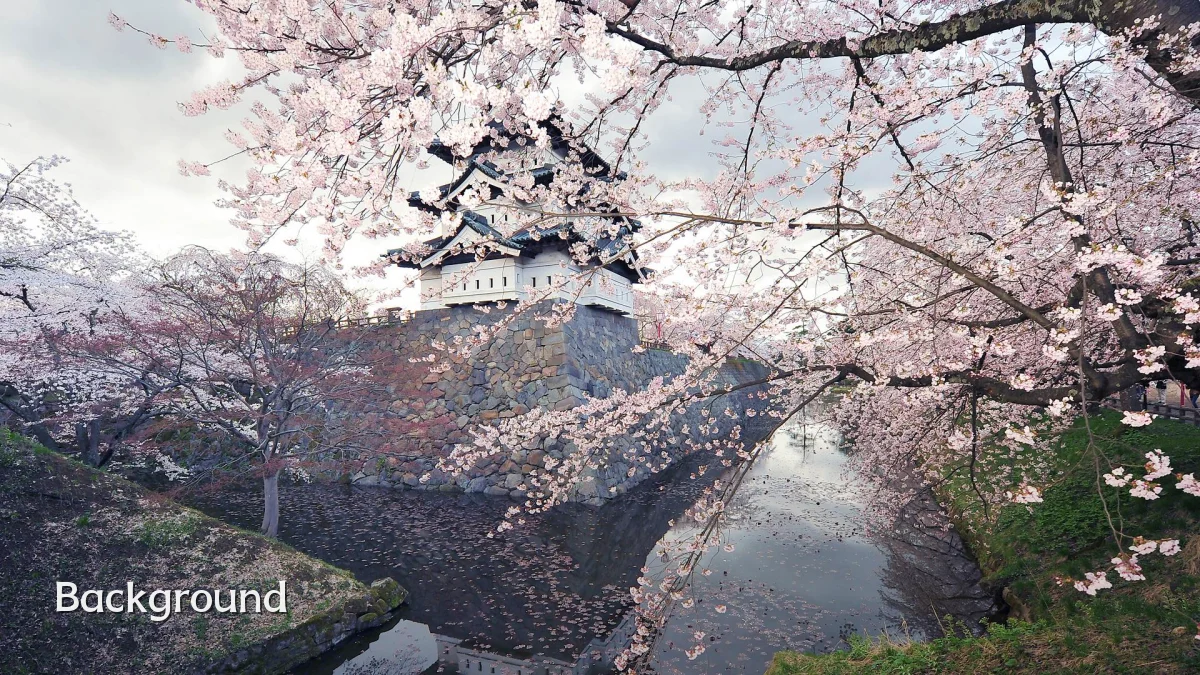
A photo journal differs from a standard photo album in that it prioritizes meaning over curation. The photographer typically selects an image not because it is technically perfect, but because it represents something important from the day. The accompanying text usually answers questions like: what happened, what was unusual, or how did this feel. Over time, these entries form a layered narrative that is easier to revisit than a scattered collection of images.
User Concerns
Beginners often hesitate to start a photo journal for practical and emotional reasons. The most frequently cited concerns include:
- Privacy: Storing personal images in cloud services raises questions about data security and who might access the content.
- Consistency: Maintaining a daily or weekly habit can feel overwhelming, especially after an initial burst of motivation fades.
- Format choice: Digital apps, physical prints, or a mix of both each have trade-offs in convenience, durability, and cost.
- Perfectionism: Some users worry that their photos or writing are not good enough, which can delay starting altogether.
- Long-term accessibility: File formats and software change over time, raising concerns about whether digital entries will remain readable years later.
Most of these issues can be addressed with basic decisions up front, such as choosing a standard file format, setting a realistic schedule, and deciding on a privacy level that feels comfortable.
Likely Impact
For individuals, the impact of photo journaling is largely positive. Regular visual reflection can improve memory recall and provide a tangible sense of progress over time. Many users report that the practice helps them notice small details they otherwise would have overlooked, from changing light in a familiar room to the gradual growth of a child or a garden.
The broader cultural impact appears to be a gradual redefinition of what a diary can be. The traditional assumption that a diary must be written is giving way to a more flexible expectation that it can combine media. This opens the door for people who find writing laborious but still want a record of their lives. It also creates new possibilities for creative expression, as the photo journal becomes a space for experimentation rather than a polished portfolio.
What to Watch Next
Several developments are likely to shape photo journaling in the near term. Beginners and enthusiasts alike may want to monitor the following:
- AI-assisted organization: Tools that automatically tag, summarize, or group images by theme could reduce the administrative burden of journaling.
- Improved offline storage: As privacy concerns grow, expect more options for local and encrypted storage that do not depend on a specific cloud provider.
- Simplified print workflows: Services that make it easier to compile and print a photo journal on a quarterly or yearly cadence may attract users who prefer a physical artifact.
- Community features: Carefully designed sharing and collaboration tools could help users maintain group journals for families, teams, or close friend circles.
- Integration with health and wellness: Some observers anticipate deeper connections between visual journaling and mood tracking or mental wellness apps, though the privacy implications will need careful attention.
The photo journal is unlikely to replace written diaries entirely. Instead, it stands to become another legitimate format for personal documentation, one that is especially well suited to a visually oriented generation. For beginners, the best approach is simply to start with whatever tools are already at hand and to treat the journal as a flexible, low-stakes project that can evolve over time.